A hard rain reorders the ground. Ants that minded their own business in dry soil suddenly find their galleries flooded, brood in jeopardy, and foraging routes wiped away. That pressure forces movement. Colonies shove upward to drier layers of soil, into mulch, under landscape timbers, and, if the grade and drainage work against you, right into the house. When homeowners call within 24 to 72 hours after a storm, the pattern is consistent: kitchen scouts along splash lines, trails behind baseboards, and sometimes winged alates bumping at a window they never noticed last week.
Taming that post‑storm surge hinges on two ideas. First, redirect ants with smart exterior barriers and intelligent baiting so they choose a different path. Second, dry out. If you remove excess moisture and the easy cover that comes with it, you collapse the reasons they are moving in. Everything else, from products to traps to caulk, is a tactic serving those two ideas.
What heavy rain does to ant behavior
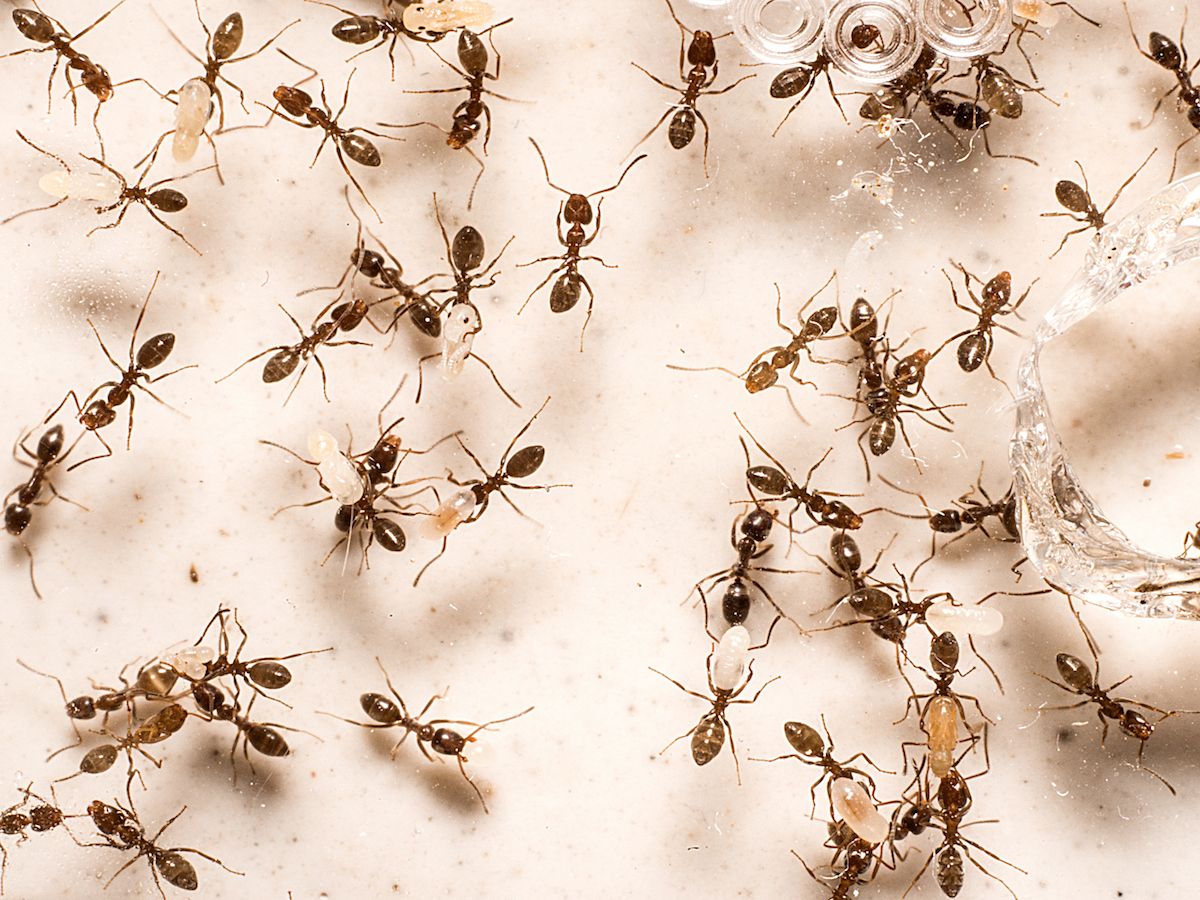
In saturated soil, oxygen drops and the ants’ brood chills. Water fills voids, mud slumps, and foraging pheromone trails dilute or wash away. Colonies respond by pushing members to higher ground and sending scouts laterally along anything that sheds water, which is why you often see lines hugging the underside of siding, the top edge of a foundation wall, or the back of a downspout. The routes look new, yet you are watching an old navigation system being rewritten in an afternoon.
I have stood in crawlspaces after a thunderstorm and watched workers stream along sill plates under a sweating HVAC trunk line. The condensation alone, fed by humid post‑rain air, was enough to create a wet highway. In slab homes, storm splash at weep screeds and garage thresholds often becomes the entry point. None of this requires a nest inside the house. The ants are opportunists testing paths while their home turf recovers.
Some ant species react more dramatically than others. Pavement ants and Argentine ants balloon in visible numbers after rain because their nests sit shallow and sprawl wide under stone and mulch. Odorous house ants build subnests anywhere that stays moist and warm, including foam insulation voids, so rain can make them show up in rooms they ignored all summer. Carpenter ants, different issue entirely, thrive around chronically wet wood. Heavy rain does not create carpenter ants, but it exposes leaks and rot that favor them.
Redirecting beats smashing: why baits and barriers win after storms
Post‑storm, contact sprays at the baseboard feel satisfying and mostly make the problem worse. You kill the foragers who exposed themselves, yet the colony reads that as a lost route and pushes more scouts to try again, often somewhere you cannot see. Redirecting is smarter. Give them food that carries a message back to the nest, and build exterior chemical and physical lines that politely say, try the neighbor’s hedge.
Modern ant baits exploit the traffic surge. Sugar‑feeding species snap up carbohydrate gels when rain flushes their honeydew sources from soft‑bodied insects. Protein‑ or fat‑preferring species, including some that scavenge dead insects after storms, will take granular or paste baits placed under cover. The trick is to set the stations where their post‑rain lanes already run: under the lip of siding, behind a downspout, on the dry side of a door threshold, along a fence rail that bridges to the house.
Outdoor perimeter treatments help only when you treat the right band at the right time. Granular non‑repellent actives along mulch edges, in weep screeds, and beneath splash lines form a low‑key barrier that foragers cross without alarm, pick up on their cuticle, and carry to nestmates. Repellent liquids have a place, but in the first 48 hours, when routes are still reforming, a repellent line too close to the house can trap ants inside. I have watched homeowners create a perfect moat, then ask why the kitchen trail doubled. The answer was inside containment.
Maintain the posture: bait to communicate with the colony, then establish a non‑repellent exterior band. If you need a knockdown repellent, hold it for interior crack‑and‑crevice work where ants are already emerging into living areas, and choose a micro‑application.
Drying out the environment that invites ants
Water creates many small problems at once. It swells doorframes so thresholds no longer seal, compacts mulch to hold moisture, wicks into slab cracks, and fills window weeps with organic soup. Ants read all of it as opportunity. Drying out is not glamorous, yet it works faster than spraying ever will.
Start with the first two days. Clear wet debris from against the foundation, especially grass clippings and leaf windrows trapped behind shrubs. Lift soggy welcome mats and store them vertical until they no longer feel cool to the touch. Pull mulch back from siding so there is a two‑ to four‑inch bare band of visible foundation. If you hear gutters chattering, they are clogged and overflowing right where ants climb the wall. Downspout extensions should push water at least four feet away on flat ground, twice that if your soil holds water like a sponge.
Indoors, chase the microclimates. Use a box fan aimed across wet entry mats and the adjacent baseboard, not straight at the mat. The crossflow moves air along the surface and into the wall base. If you run a dehumidifier, place it in the most humid room and set it near 50 percent until the sour smell vanishes. Spots that stay clammy, like under a kitchen sink with a slow P‑trap weep, drive persistent odorous house ant issues for weeks after the rain stops.
Concrete tells the truth. Hairline slab cracks that look harmless become veins that pull moisture upward for days after a storm. Ants search these lines, and in garages you will often see a spatter of sandy frass track the crack. Sweep it clean and you will find it back the next morning. carpenter bees control That is the time to combine a thin bead of sealant with a precisely placed bait station on the dry side.
A field vignette: when the ants chose the dishwasher
In a two‑story home with a slab foundation, a September storm sent a sheet of water off a failing downspout elbow. The soil along the kitchen wall stayed wet for three days. On day one, a few odorous house ants scouted along the baseboard under the sink. The homeowners sprayed a citrus cleaner and felt victorious. By day three, the dishwasher kick plate seemed to vibrate, and dozens of ants streamed out when they cracked it loose.
The nest was not inside the machine. It was outside, under the wet mulch pressed high against the siding. The kick plate simply offered a warm, humid microspace and a foraging lane. We pulled the mulch back, added a downspout extension, and placed sugar gel baits along the sill line beneath the siding lip and behind the splash block. Inside, we tucked two small bait placements under the sink and along the dishwasher electrical conduit, then installed a narrow non‑repellent perimeter band along the exterior foundation two days later when the wall had dried. In 72 hours the traffic fell off. Two weeks later, with the soil moisture back to normal and the baits long gone, the trail had not reappeared.
Where ants sneak in after a storm
Rain redraws the map, but the doors are familiar. We see the same weak points repeatedly, especially within the first week after heavy weather. Read this as a short checklist of places worth a flashlight and a rag, not as an exhaustive survey.
- Weep holes and stucco weep screeds that collect mulch or silt after splashback, especially under downspouts. Garage door side seals and thresholds that sit in puddles or trap leaf pulp. Utility penetrations with deteriorated caulk, including hose bibs, cable and fiber junctions, and electrical conduit. Deck ledger gaps, stair stringer connections, and trim returns that wick water into the wall. Tree limbs and shrubs that touch siding or roof edges and act as rain‑sheltered bridges.
Each of these points pairs nicely with a redirect‑and‑dry approach. Clear the debris or organic pulp, open a little sunlight and air to the spot, and add a bait placement on the dry side of the route. Once traffic settles, seal or adjust hardware so the next storm does not hand the ants a free path.
Timing matters more than product choice
Ask ten technicians to name their favorite ant bait, and you will get ten answers, each with a war story. The common thread in the wins is timing. Right after heavy rains, ants flip hard to carbohydrate sources. A gel bait rich in simple sugars draws fast because honeydew has washed from leaves and aphids have shifted around. As the environment stabilizes, many species rebalance to protein or lipid needs, especially when rebuilding brood. A well‑stocked kit includes both, and the discipline to check which one the ants choose that day.
Another timing issue is the exterior perimeter treatment. Many labels direct application to dry surfaces, and non‑repellents bind best when the soil surface is not saturated. If you treat on mud, you push active into the water and watch it travel where you did not intend. We schedule exterior bands on day two or three post‑storm, once splash zones have dried and irrigation is temporarily paused. If interior pressure is high on day one, use indoor baits and narrow crack‑and‑crevice micro injections to calm the situation until the perimeter can be set properly.
How Domination Extermination stages a post‑storm service
Domination Extermination approaches heavy‑rain calls in two passes. The first pass happens as soon as we can get there safely. We walk the perimeter in the rain shadow, not the open grass, looking for new soil castings, wet mulch matted to siding, failed downspout angles, and vegetation slapping the wall. Inside, we map ant lanes with a flashlight held at a low angle to catch movement, then lay two bait types near the active highways, always under cover or in tamper‑resistant stations where children and pets live.
The second pass, typically 48 to 72 hours later, lands after the exterior dries. We place a non‑repellent treatment at the base of the foundation where ants must cross, not where they can avoid it, and we reset baits if traffic still feeds them. The service rarely escalates beyond that unless water management problems remain, such as a crawlspace at 80 percent humidity or a gutter system that turns every rainfall into a wall wash.
This two‑stage plan is not marketing, it is physics and biology. You cannot seal a house against water while the water is present, and you should not trap ants inside with a hot perimeter line while they are already pacing the kitchen. Redirect first, dry second, then establish the barrier.
Drying playbook that holds after the sun returns
Many of the best fixes require no chemical at all, only attention and a bit of sweat. A reliable playbook looks simple until you skip a step and watch the ants return in the next storm. Keep it short and repeatable.
- Pull mulch back two to four inches from all siding and trim, and keep mulch depth under three inches so it breathes rather than steams. Extend every downspout so discharge lands four to six feet away on flat ground, and make sure the elbow aims straight, not at the wall. Trim vegetation to leave a palm’s width of air between leaves and siding, and avoid letting shrubs grow right under windowsills. Run a dehumidifier to 50 percent in basements and crawlspaces during humid weeks, and insulate sweating cold water lines that drip on sills. Seal utility penetrations with a flexible exterior sealant once areas are dry, and refit garage door seals that wick water.
Ants read moisture gradients like a map. Shrinking those gradients narrows their options. Once you do the unglamorous work, every other tactic performs better.
Avoiding common missteps that prolong ant problems
The fastest way to chase ants around is to combine sticky indoor sprays with no change outdoors. Setting off a total‑release fogger is worse, it forces insects deeper into wall voids and drives repellency without control. Another error is over‑baiting, placing every station you own along one line. If you flood a trail with too many bait points, you distract ants into milling behavior, or you dilute the intake so no placement delivers a strong dose to the colony. Two to four placements per active lane, placed just outside the most active zone, often outcompete a dozen haphazard dots.
Weather matters, too. Bait gels crust in direct afternoon sun and in hot garages. Place them where they stay cool and shaded, like under a return lip or along the north side of a column. Check in 24 hours, not five minutes, and do not wipe away a bait site just because scouts walked past it during the first hour. It is common to see traffic rise briefly as ants recruit to a new find before the colony response kicks in.
When the problem is not an ant, or not only an ant
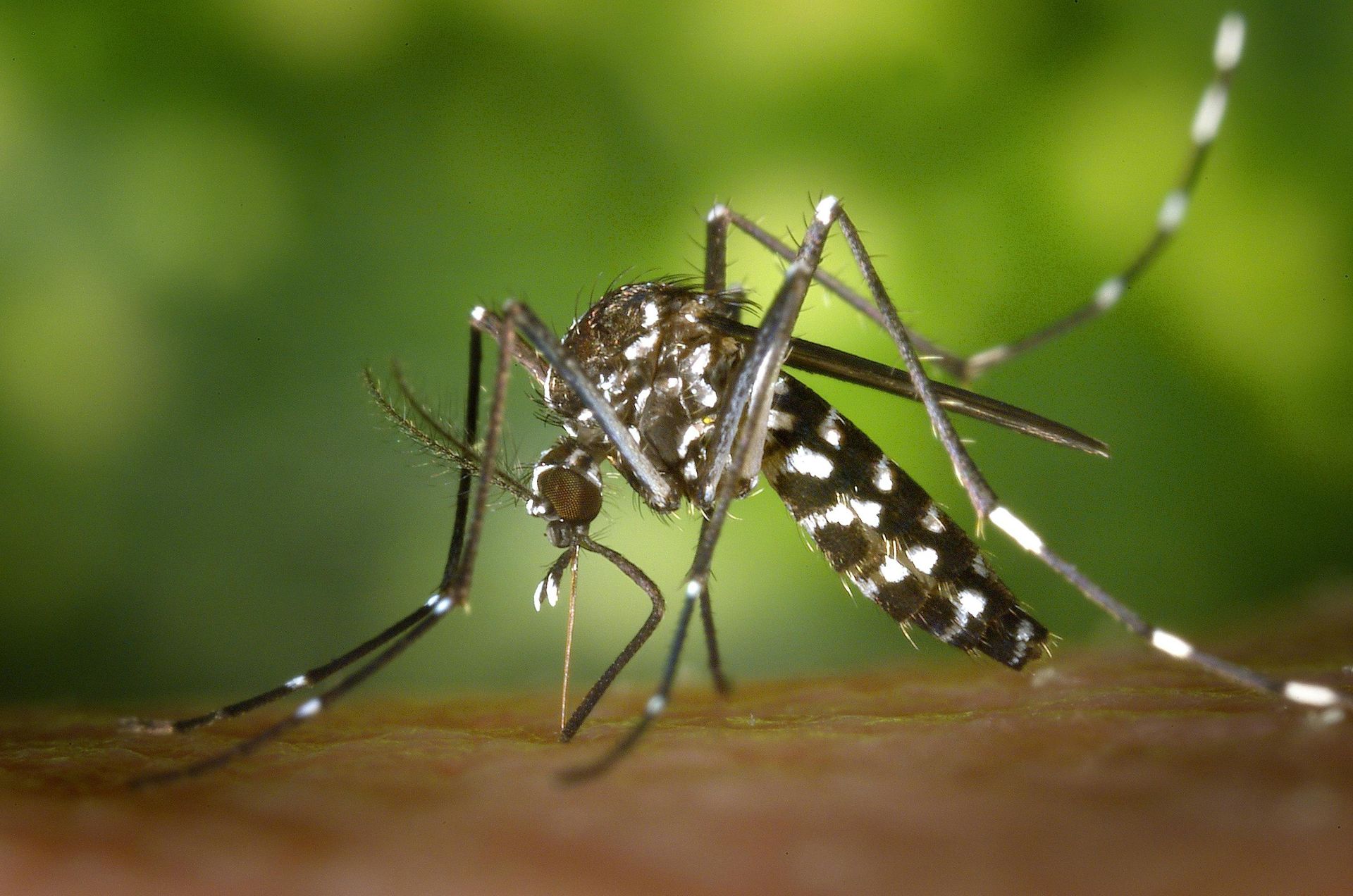
Post‑storm calls often stack pests. Mosquito control questions come up when yard depressions hold water. Rodent control flares if floodwaters displace rats from storm drains and they test garage doors the same night ants test the kitchen. Spiders balloon on humid nights and set up webs along porch lights where flying insects swarm. Bed bug control rarely connects to rain directly, yet we do see travel‑season cases spike in the same months as thunderstorms, which complicates the diagnostic picture when clients report “bugs after the storm.”
If you see large, winged insects indoors the day after rain, do not assume they are ant alates. Winged termites break out on warm, wet days as well, and termite control starts from a different place than ant control. Ant alates have elbowed antennae and a narrow waist, termite swarmers have straight antennae and no wasp waist, with equal‑length wings. The difference matters. Carpenter bees control is a spring issue but rain does highlight rotten fascia where they later drill. Bee and wasp control picks up when storms force colonies to rebuild nests torn by wind, often under soffits. Cricket control in basements tracks with humidity and floor drains. Knowing which pest rides the storm with you prevents wasted motion.
What Domination Extermination watches for in repeat hotspots
Certain properties teach the same lesson every season. Domination Extermination technicians share notes on addresses where the soil grade runs toward the slab, the front bed sits too high, or the irrigation controller waters through the rain. One ranch house with a shaded maple and a generous layer of dyed mulch looked perfect from the street. Pavement ants thought so too. Every July thunderstorm sent them under the brick veneer and into a powder room. The fix was not a stronger product, it was a spaded trench to lower the mulch two inches, a downspout extension that tucked behind shrubs, and a tweak to the irrigation to skip the north side when weekly rainfall hit an inch. The ant trails did not care about intent. They responded to moisture and routes.

The same is true for older wooden steps that sit directly on soil. After rain, they wick like straws and stay wet for days. Odorous house ants love that. We now watch for wood‑to‑soil contact any time we see heavy ant activity at a front stoop. Replacing the bottom step with a composite or adding pavers under the stringers often cools the issue more than a gallon of treatment.
Judging progress: what to expect day by day
Ant control after a storm is not a light switch. On day one, your work should cut down the aimless scouts that triggered the call. On day two, trails look more structured as baits recruit and exterior drying starts. By day three, traffic should taper by half or more. If you still see the same level of activity at that point, something is feeding the lane. It might be a missed moisture source, like a slow weep under a fridge water line, or a missed bridge, like a lattice panel that touches siding behind a shrub. Walk it again with fresh eyes and a bright light. When you find the right lever, the change happens quickly.
For carpenter ants, adjust your expectations. If you have wet trim or fascia, and if the ants are moving at night in large, slow singles along a fence or utility line, you may have a satellite nest exploiting damp wood. Drying and sealing are the baseline, but you will likely need targeted treatment into voids and, if structural moisture remains, some repair. Non‑repellent perimeter work helps reduce foraging pressure and can starve a satellite nest over time, yet it will not reverse decay. That task belongs to carpentry as much as pest control.
The place for sealing and hardware
After the baits do their work and the soil dries, sealing matters. Siliconeized acrylics around hose bibs, foam around large penetrations, and new garage door bottom seals that meet the slab all make a difference. Use backer rod where the gap exceeds a quarter inch so the sealant does not slump. Window weep holes deserve respect, they need to remain open to drain walls, so avoid sealing them. Instead, lower mulch, break the splash line with rock instead of bark right under windows, and install deflectors if the roof concentrates water above a sill.
Hardware plays a role at doors. Thresholds that sit too low let rain and scouts in together. Adjustable thresholds exist for a reason, and a sixteenth of an inch up on a dry day can stop a steady trickle of ants that only show up after storms. Weatherstrip that holds firm contact makes the difference between a pinch point the ants test once and a warm, humid seam they adopt for the season.
Building a yard that fights for you
Landscape choices set the background moisture. Rock borders in narrow bands against the foundation dry faster than bark. Drip irrigation beats spray heads in most planting beds because you water the roots, not the wall. Plants with loose, airy structures dry quicker after rain than dense hedges that trap humidity against the house. If you like dense hedges, keep them a foot back from the wall so air can move.
In clay soils, french drains and surface swales pull water away, but do not let them empty right where a walkway meets the house. We often see ant highways at those intersections because everything the drain delivers creates a splash fan against the slab. Moving the outlet ten feet farther downslope and adding a short run of river rock reduces splash and lowers ant pressure more than any insecticide.
Where other pests fit in the same moisture picture
The same standing water that drives ants indoors fuels mosquito breeding within days. If a storm leaves saucers, tarps, or clogged gutters full, mosquito control starts with dumping water, then, if needed, larvicides in non‑drainable features like rain barrels. Spiders follow the flying insects. Reduce light bleed at night or switch to warmer color temperatures, and you will see fewer webs around entry points. Rodent control after floods begins with garage doors, side doors, and warped thresholds, then traps set on the dry side of routes. Cricket control thrives in damp basements and porches, and the same dehumidification that helps with ants helps with chirps. Bed bug control stays a separate track entirely, yet it illustrates the broader point: water shapes pest pressure in overlapping ways. Solving the moisture picture pays twice.
A steady philosophy that lasts beyond the storm
Heavy rains expose weaknesses. Good ant control in that window looks methodical: redirect with baits, dry the environment, set an exterior non‑repellent barrier when conditions favor it, and close the easy doors the storm opened. The rest is discipline. Walk the property with the storm in mind. Notice where water collects, where air does not move, and where plants touch the house. Make small changes that stick.
Domination Extermination treats ant surges after storms as predictable events, not mysteries. We handle the chemistry with a light hand and spend more time on moisture and routes. When we return to a house that implemented small fixes, the next storm barely registers. When we return to a house with the same clogged elbow and the same mulch piled high, the ants write the same story again. The good news is that both outcomes are in reach, and the difference is rarely money or miracle products. It is redirection and drying, done on time.
If you keep that frame, you will misstep less and solve more. And when the next thunderstorm rolls across the neighborhood and the soil exhales steam, you will not be surprised by a scout trail along the baseboard. You will already have thinned the mulch, set the downspouts straight, sealed the cable box hole, and left a pair of quiet stations where a hungry colony might otherwise knock on your door.
Domination Extermination
10 Westwood Dr, Mantua Township, NJ 08051
(856) 633-0304